You kind of can really. You could send a drone ship to drop off a replacement or even just fire off the sensor station like a missile, with only enough fuel in a simple engine to decelerate it to take up a preplanned position with an acceptable rate of drift. Real satellites deploy in a largely autonomous process already after all. Repairs are highly unlikely for the simple reason that any damage inflicted is highly likely to be catastrophic.Darth Wong wrote: These observation posts would take a long time to replace; it's not as if you can just drive a couple of transport trucks out and repair it.
I go back to the DEW line example. No defensives, absurdly remote to the point that maintenance just can’t even be conducted for part of the winter at any price, and highly exposed to a first strike. None the less the death of the DEW line was critical to give the Mid Canada line and interceptor bases behind it time to get ready and avoid being taken by strategic surprise deep in friendly territory.
Even with no long range sensor coverage the situation is not necessarily dire anyway. We fought naval wars in the age of sail across the globe with no sensors past the visual horizon, and communications only slightly faster then the heaviest enemy warships could travel after all.
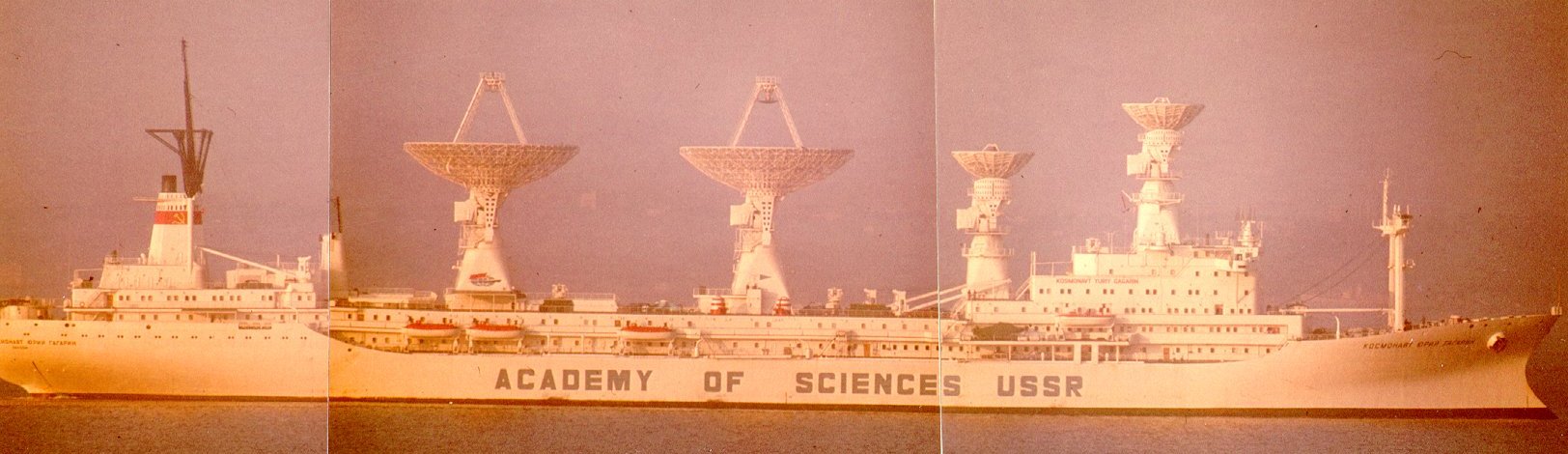
Should a comprehensive attack destroy long range coverage over a wide area, then craft within that sector will concentrate in bastions around key manned installations until such a time as a fleet can be brought up with mobile sensors (likely to be larger and individually much more powerful then the expendable boarder post if less numerous). A space fleet is quite likely to have dedicated ships for this purpose, something like the USNS Observation IslandICBM tracking ship or Sea Based X-band Radar except with at least a token self defence armament. The massive Soviet space tracking and communications relay ship Kosmonaut Yuri Gagarin would be another example of what can be done.
The bastions meanwhile would have there own spherical perimeters and sensors nets, within the overall defensive system which is primarily oriented only in the direction of the enemy. This was more or less how Blitzkrieg encirclements were countered in real life by forming strong points within a defensive belt, and waiting for the enemy to quite simply run out of fuel and be forced to pause his offensive. All the while you probe outward to hit his logistic lines and determine his intentions while building up for counter attack, ideally while he is stuck refueling his tank hoard.
Of course the maximum speed of the enemy, and just as importantly his effective striking radius (not just fuel but lack of food, spare parts, ammo and the like will all bring an attack to a halt) will determine the details of scale required. Its just not likely to be possible to defeat the enemy in a far forward area… and no real reason exists why it should be so. I think that’s one thing many writers could stand to learn. When you have powers that are something even remotely like equal you have to expect campaigns to see-saw. You can’t expect to be strong at every point and just repel all incursions and accept and decisively win all battles
In some respects space war could mirror land war as much as naval or air war on earth. This is because while space is mostly empty and open to movement like the ocean or sky, you can pretty much claim any point in it as a basis for a base or defensive position as you could on land.









 "
"